ISQOLSとは International Society for Quality-of-Life Studies の略称で、ハッピネス研究において中心的役割を果たす国際学会です。
2016年はその年次大会が8月にソウルであり、明海大学経済学部より3名の教員が参加し、5本の論文を発表します。ちなみに一昨年 (Berlin)、昨年 (Phoenix) の大会では、日本からの参加者はそれぞれ2名だけでした。
Continue reading
ISQOLSとは International Society for Quality-of-Life Studies の略称で、ハッピネス研究において中心的役割を果たす国際学会です。
2016年はその年次大会が8月にソウルであり、明海大学経済学部より3名の教員が参加し、5本の論文を発表します。ちなみに一昨年 (Berlin)、昨年 (Phoenix) の大会では、日本からの参加者はそれぞれ2名だけでした。
Continue reading
グローバル経済コースの2年生のみなさん、お疲れ様でした。しばらくEREを忘れ、良い結果が届くのを待ちましょう!
Continue reading
経済学部では、独自にホームページを開設することにしました。経済学部の教育内容、カリキュラムや進級に関わる基準やしくみ、教育(学修)の成果などについて、高校生や保護者の皆さま、高校の先生方、企業や広く社会の方々に知ってもらいたいとの考えからです。
Continue reading
経済学部のホームページでは、大学院経済学研究科に関する情報も数多く発信していきます。研究指導内容や院生の紹介、イベント情報、修了生の社会での活躍状況など、大学院進学を考えているすべての皆さんに、大学院の魅力をお伝えします。
Continue reading
経済学研究科の説明はこちらのサイトにあります。
主な担当科目 : ファイナンス
研究 : 最近は、株式を取引する人々の予想形成メカニズムの解明
教育 : 野村証券冠講座では、日経ストックリーグに参加し、3~5名を1グループとして10年後に花咲く株式の組み合わせを構築するためのレポートをグループワークとして作成しています。
顧問 : 明海大学ラグビー部
研究業績はこちら
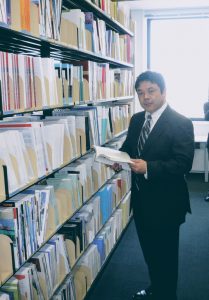
主な担当科目:マーケティング論、経営組織論、経営学総論
研究テーマ:
・本社・子会社の組織間関係
・組織のパワー、正当性の問題
・海外子会社の現地適応、自律性
・地域活性化マーケティング
・渋沢栄一翁の経営思想研究
趣味:世界遺産巡り、古地図、廃墟探索、神社巡り、美術鑑賞、スキー、水泳、古本屋巡り
行ったことのある珍しい場所:
・トルファン(中国、シルクロードの町)
・ネス湖(スコットランド)
・ショパンの生家(ポーランド、ワルシャワ)
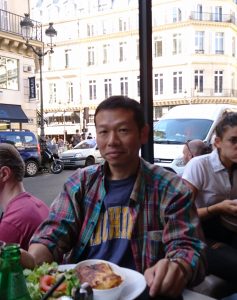
主な担当科目:簿記論、財務会計論
研究テーマ:
・内部監査人の判断・意思決定
・コーポレートガバナンスと監査との関係
・財務報告に係る内部統制
・企業不祥事
趣味:マンガ、映画、スポーツ観戦 (特に格闘系)、散歩
主な担当教科:経営学総論、財務会計論、経営分析
主要研究テーマ:企業資金調達と資金制約などに関する実証研究
主な担当科目:応用計量経済学
主な担当科目:ミクロ経済学、サービス経済論
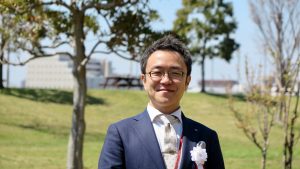
主な担当科目:経営戦略論
研究&大学院指導テーマ
・企業の競争優位性に関する研究(経営戦略論)
・企業の国際発展とその影響に関する研究(多国籍企業論、国際経営論)
・企業行動とその社会的影響に関する研究(企業と社会論、CSR論)
・企業行動に関する制度理論的研究
主な担当科目:国際金融論
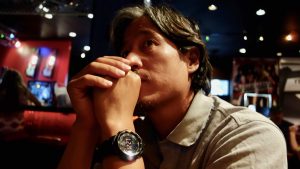
主な担当科目:マクロ経済学、人口問題特論
研究&大学院指導テーマ
・人口経済学
・経済理論(ミクロ経済学、マクロ経済学)
・幸福度研究
・選好や行動の生物学的基礎づけ
研究成果
・Google Scholar (英語のみ)
・Researchmap (日本語含む)
趣味:野球、ソフトボール、サッカー、スキー、スノーボード、ツーリング、ハイキング、三番瀬散策、など
影山ホームページあります。最近更新してませんが、査読情報、海外研究員歴、科研費情報などあります。
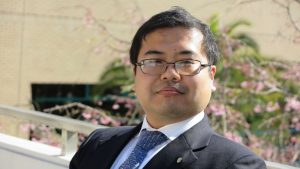
主な担当科目:財政学、会計学、監査論
主な担当科目:租税法
研究&大学院指導テーマ
・法人税法、所得税法、消費税法等の解釈と適用をめぐる諸問題
・国際課税をめぐる諸問題
・租税法総論の主な論点に関する諸問題
実務家教員
・元名古屋国税不服審判所長
・元東北大学大学院経済学研究科(会計大学院)教授
学歴等
・修士(経済学)
・Harvard Law School ITP修了
保有資格:CIA(公認内部監査人)、1級ファイナンシャルプランニング技能士、1級アロマテラピスト、情報セキュリティマネジメント、宅地建物取引士 ほか
主な担当科目:社会保障論
研究&大学院指導テーマ
・福祉国家の歴史的研究
・生活保障機能からみた社会保険と私保険の役割と関係の研究
・少子・高齢社会と社会保障改革の課題の検討
・雇用・賃金・労働時間の諸問題
主な担当科目:データサイエンス、統計学、経済学概論
主要研究テーマ:企業行動のミクロデータ分析に関する研究
主な担当科目:ミクロ経済学
主な担当科目:経済学概論、公共政策
主な担当科目:国際経済学、計量経済学
主な担当科目:数学
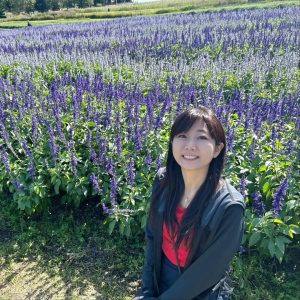
主な担当科目:国際経済学、経済学概論、フレッシュパーソンゼミ、専門ゼミ
専門分野:人的資源管理、中小企業論、国際労働移動
教育:授業は、講義では難しそうな理論を身近にシンプルに、ゼミではちょっとゆるめに楽しく仲良く、をめざしています。中小企業の経営者や地域金融機関の方々をお招きしたり、実際に企業を訪ねたりしながら、教科書の言葉と現実とのつながりを一緒に勉強できたら嬉しいです。
研究:外国人労働者が日本の職場でどのように学び、キャリアを築いていくのかを、農業や製造業の現場でのヒアリング調査から研究しています。恵まれたバックグラウンドがなくても、意欲と能力のある人が機会を得られる社会になってほしい、という思いが研究の原点です。
※研究業績は researchmapをご参照ください。
趣味:読書(海外SFと近代日本文学、漫画)、博物館・美術館めぐり、海外旅行(30か国以上を訪れました。ケニアで見た、月夜に川の中を静かに歩くキリンの群れは忘れられません)。高校生までは小説家志望でした。SF好きが高じて作家テッド・チャン氏にお会いしたことがあります。また、ちくまプリマー新書『SFはこれを読め!』(絶版)に登場する「ひろ子さん」は私です。
学生のみなさんに勧めたい一冊・一本:アンディ・ウィアー『火星の人』。映画なら「ガタカ」。どちらも絶望的な状況の中で、前者では明るく陽気な不屈が、後者では苛烈で切ない不屈が描かれています。漫画では『ヒストリエ』、好きな人がいたら嬉しいです。
主な担当科目:マクロ経済学
主な担当科目:統計学
専門:ミクロ経済学、労働経済学、人口経済学、教育経済学、計量経済学、統計学
教育:ゼミでは、学生の関心のある経済問題について、学生自らがSTATAを用いて実証分析を行い、論文を執筆し、研究発表を行えるようになることを目標に、研究活動を行っています。今後は、ISFJ日本政策学生会議 -Inter-university Seminar for the Future of Japan- で研究発表を行っていきたいと考えています。
研究:女性の労働供給、結婚、出産の意思決定を中心に研究を行ってきました。最近では、幸福度や奨学金に関する研究も行っています。
現在進行中の研究:①子育て費用が女性の就業と子育てサービスの利用に与える影響、②夫婦の主観的厚生格差が離婚選択に与える影響、③奨学金が大学進学、大学卒業後の収入や正規就業選択に与える影響
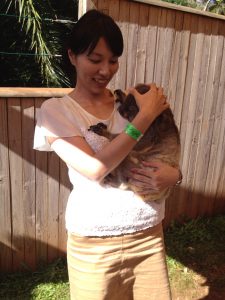
趣味:生き物と戯れること、食べ歩き、エアレース観戦、御朱印集め、展覧会巡り
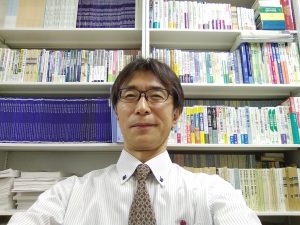
主な担当科目:経済数学、計量経済学、統計学、地域研究
研究&大学院指導テーマ
・応用数理、経済地理、地域科学、地理情報科学(GIS)
趣味:スポーツ全般(野球、サッカー、スキー、テニス、スキーなど)、
芸術系全般(音楽・絵画鑑賞、器楽演奏など)、旅行、ほか
講義や研究等の詳細は Tsunetada HIROBE Geospacial Laboratory をご覧ください。
主な担当科目:経営管理論
主な担当科目:アメリカ経済論
研究&大学院指導テーマ
・アメリカ経済論
・国際経済関係史
・世界経済論
主な担当科目:スポーツ社会学、舞踊教育学